NEW YORK PRESS
Collectors are swarming all over her geometric abstractions, and New York’s Museum of Modern Art and London’s Tate Museum have just acquired the Cuban-born painter’s work. Now 93- years old, Carmen Herrera toiled for decades in near obscurity when nobody knew her name.
Flatly painted, Herrera uses graphic tension to harness the power of color and geometry in her spare, elegant compositions and wooden sculptures. Her “structures,” as she calls them, are currently on display at the Latin Collector Gallery. The exhibit, titled Estructuras, surveys her work from the 1970s to the present. Thoughtfully curated, the show provides a rare opportunity to see the artist’s distinct visual vocabulary evolving.
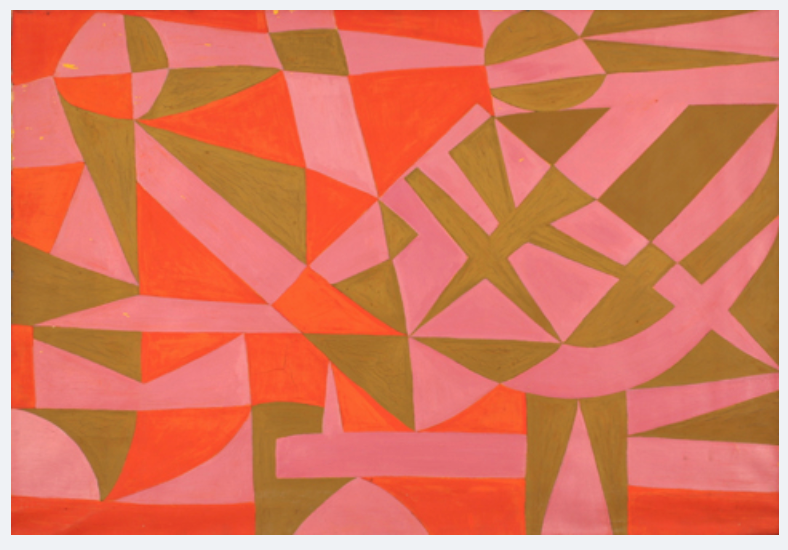
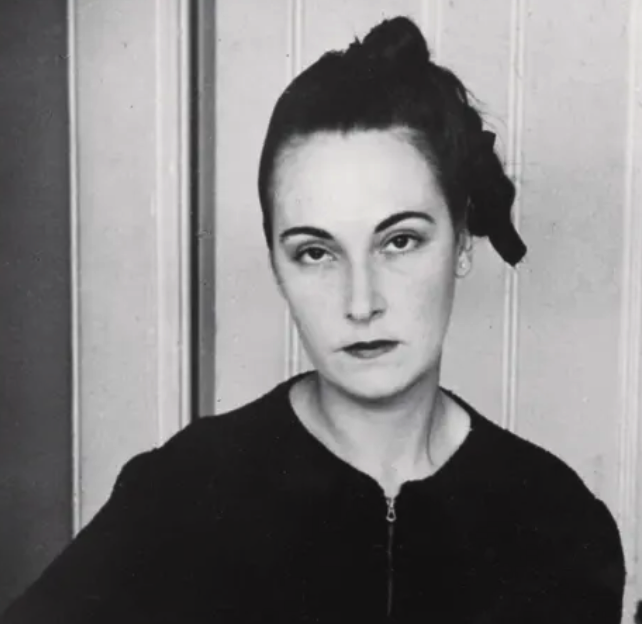
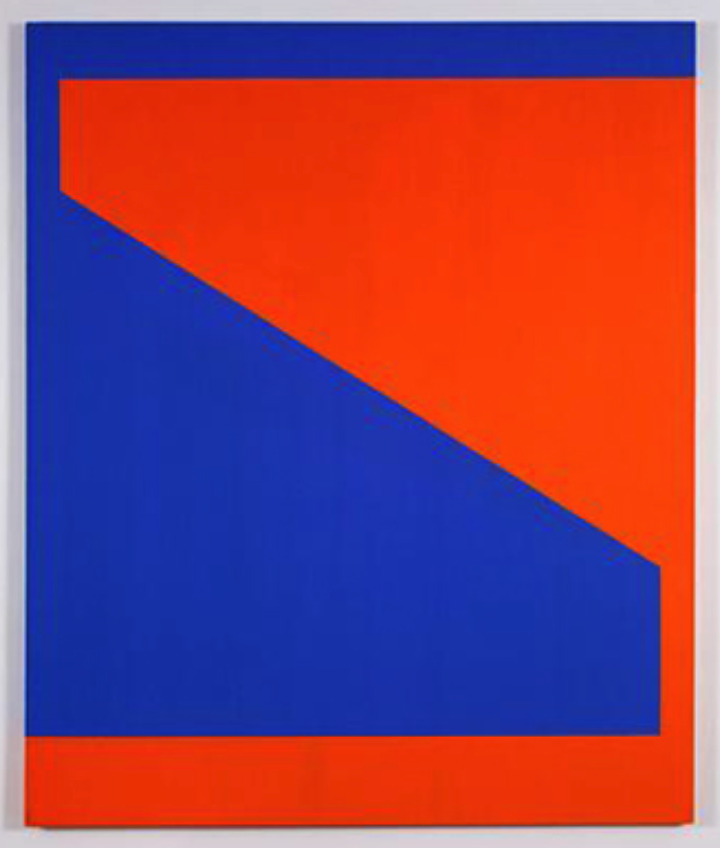
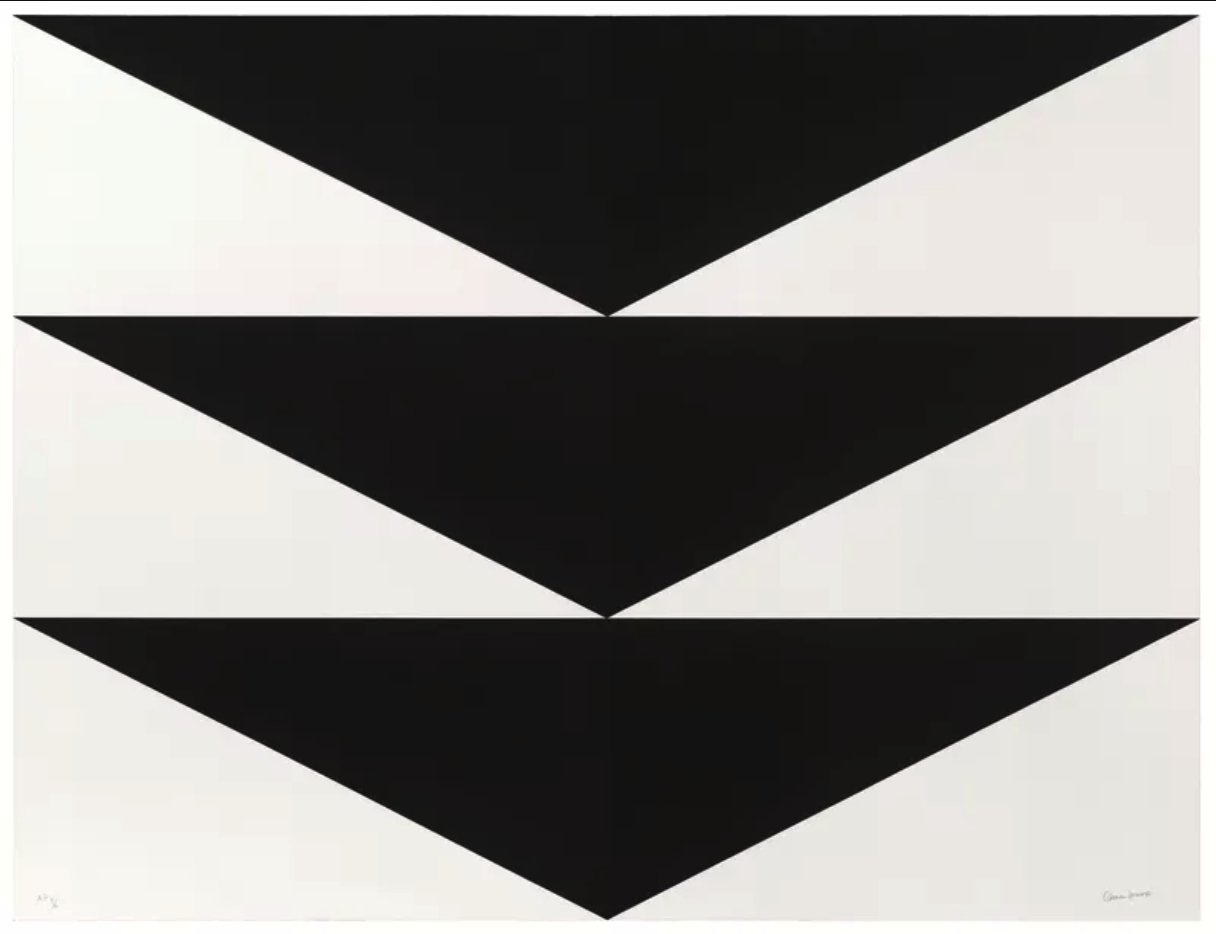
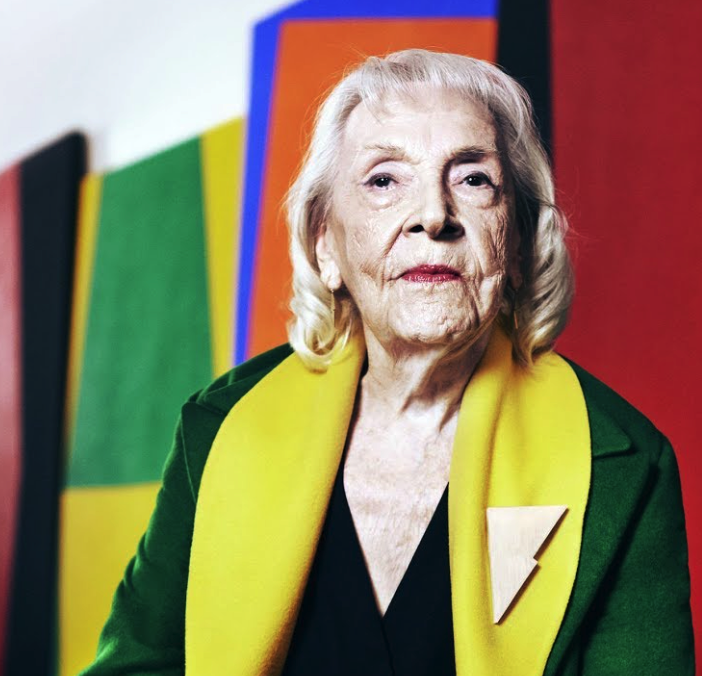
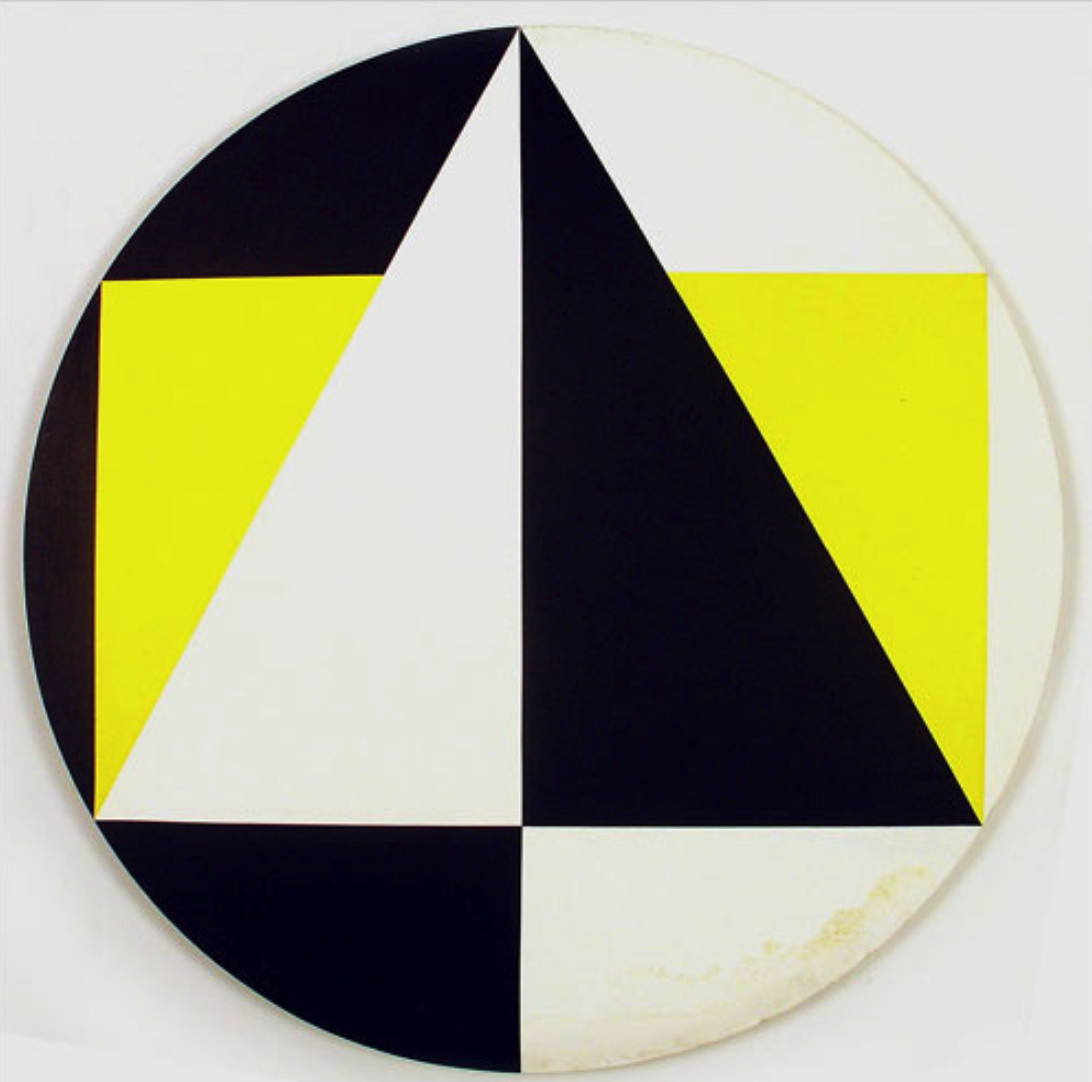
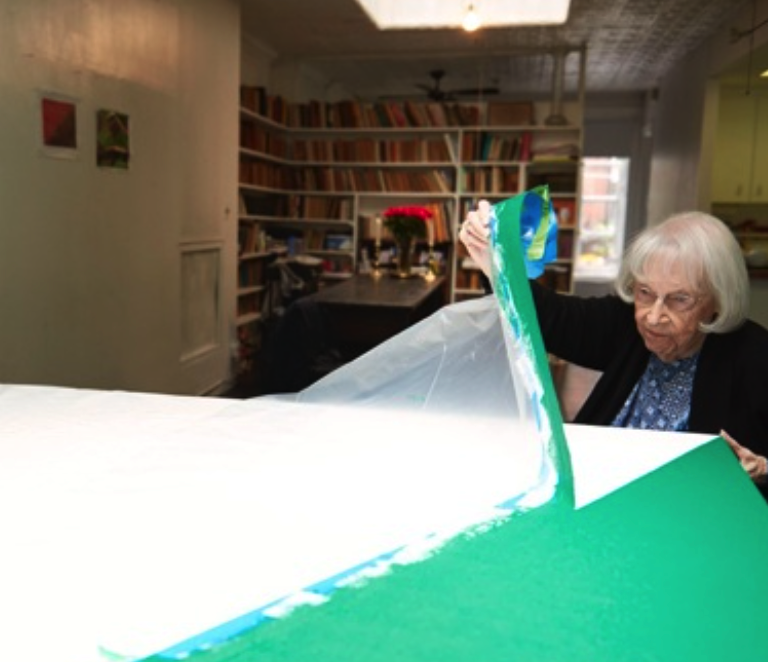

Many artists would be jealous of her apparent overnight success, except that it took close to six decades for her efforts to be prized by the art market. For her latest solo, she’s created three new structures, featured alongside two others done in the ’70s. Still enjoying fine whiskey, she bakes a mean strawberry shortcake and is happy to recount her difficult road to art stardom.
Born in Havana in 1915, Herrera’s liberally-minded mother sent her to study art in Paris. She was too young to associate with Picasso and his band of Bohemians, but she did absorb the classics and Modernist currents. In 1939, as WWII began, she married Jesse Lowenthal and came to live in New York City, where she befriended other avant-garde artists, including Barnett Newman and Mark Rothko. Herrera remembers countless evenings spent debating art. “Barney felt strongly that abstraction needed a mythological, a religious basis,” says Herrera. “I, on the other hand, wanted something clearer, less romantic.”
In 1948, Herrera returned to Paris and began showing in the Salon des Réalités Nouvelles exhibitions. The event promoted geometric and pre-minimal abstraction; art forms the Nazis had outlawed. Supplies were hard to find in post-war France, so Herrera and others used horse blankets for their canvases. Change was in the air, and she began to question every aspect of painting, slowly stripping away distractions in order to explore the essence of color and line. American Ellsworth Kelly was also in Paris at this time, experimenting with his first hard-edged paintings.
In the late ’50s, she returned to New York. Despite her Parisian success and bold ideas, Herrera was told that because she was a woman and didn’t “paint like a Latin,” art dealers, even female dealers, would not exhibit her. Her male friends refused to stand up for her, some even ended their friendship as they became famous, and soon she found herself alone, working in obscurity. “Letting go of the old realities,” Herrera signs, “The old baggage is very difficult.”
Feminists rediscovered Herrera along with artists Louise Bourgeois, Frida Kahlo, and others in the 1970s, but Herrera took the renewed attention in stride; her art, after all, was never dependent on fame or money. For contemporary artists who live impatiently, Herrera offers useful advice: “I feel art is a calling. To be an artist, you have to be strong.”
Through Jan. 19, 2008 at Latin Collector, 37 W. 57th St., 4th fl.