NY Press
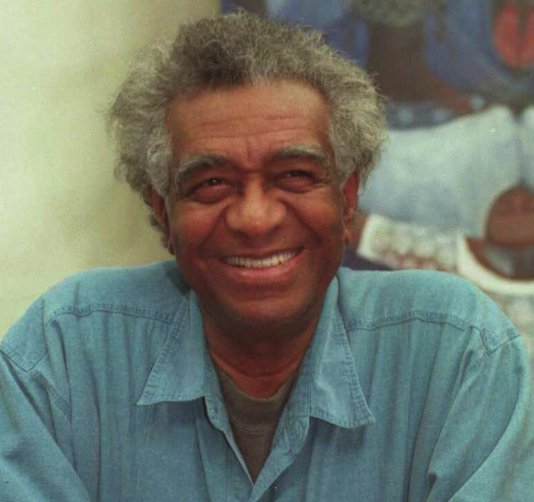
ARTIST JOHN BIGGER (1924-2001) created paintings, drawings, sculptures, and murals of historical and emotional merit. Yet his contribution to American art went largely unrecognized, and only now is he having his first solo exhibition in New York at the Michael Rosenfeld Gallery.
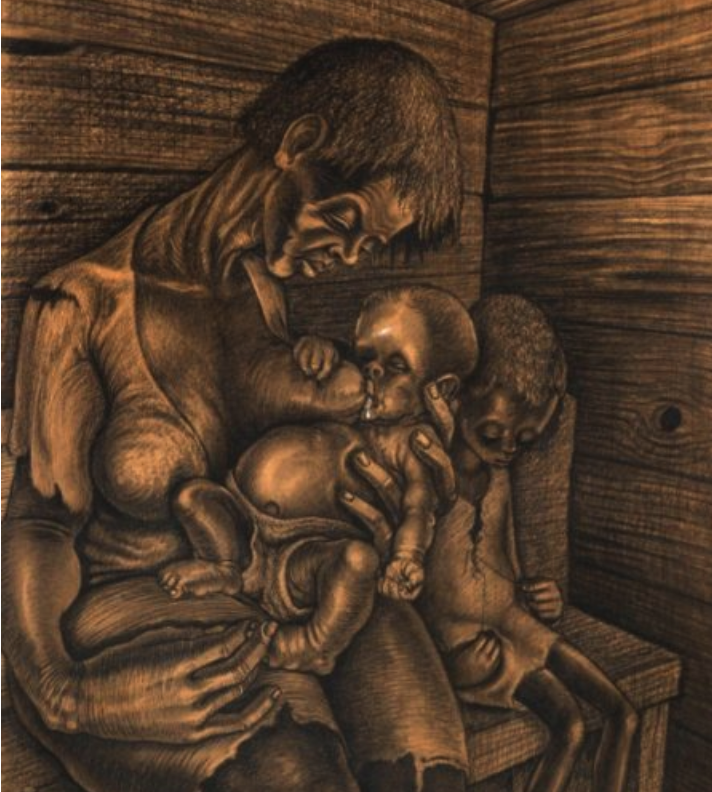
The works on display fall into the category of social realism and date from the 1940s and 50s, when abstract theorists dominated American painting. An African-American, Biggers was born and raised in the segregated South. Educated in art, he had a Ph. D. from Penn State; well aware of abstraction, Biggers chose instead to illustrate the outward struggles and inner strengths he witnessed in “his America.”
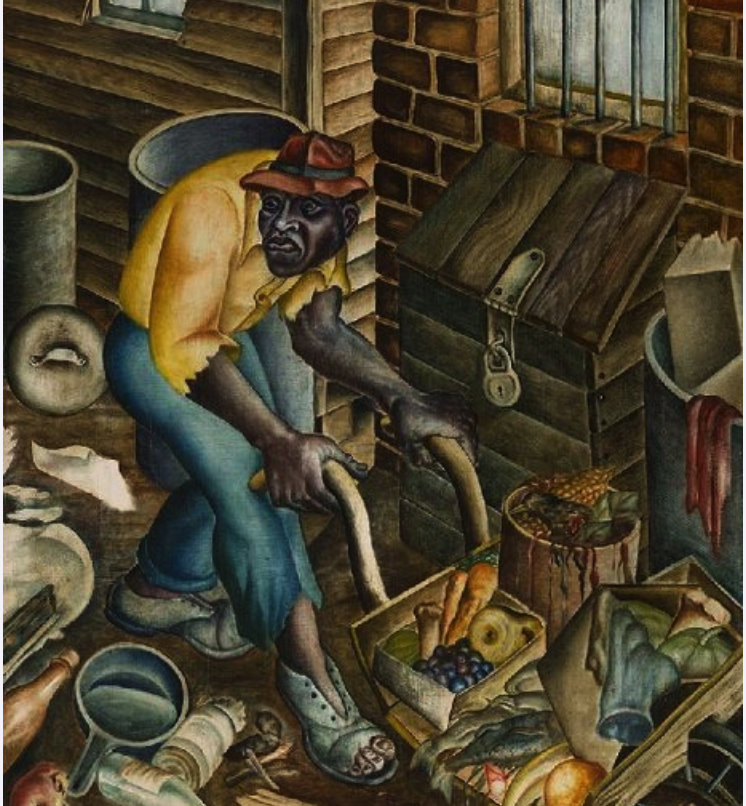
The Garbage Man, depicts a raggedy, hunch-backed man pushing a makeshift wheelbarrow through a filthy alley in search of leftovers. Behind him, a lit window is barred, and a bin is padlocked; only the garbage cans are open. Despite his degradation, the man's eyes are sharp, his clothing colorful, and his wagon full.
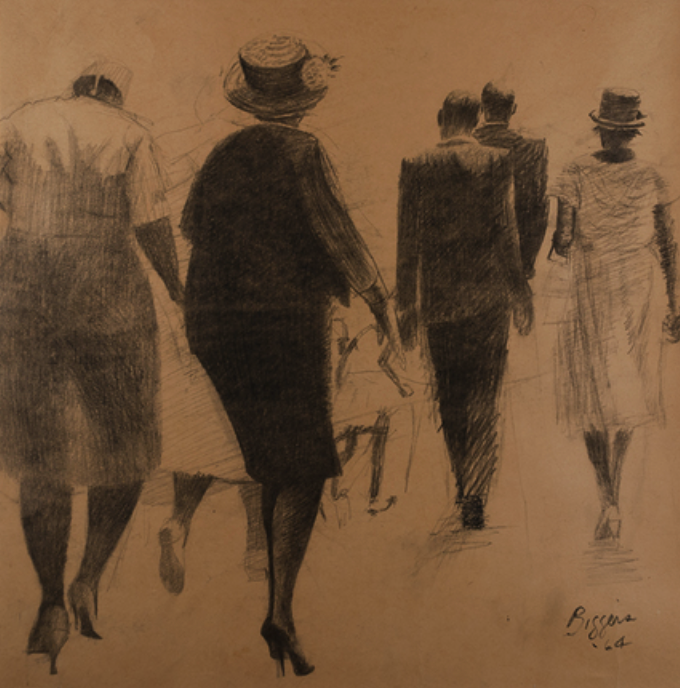
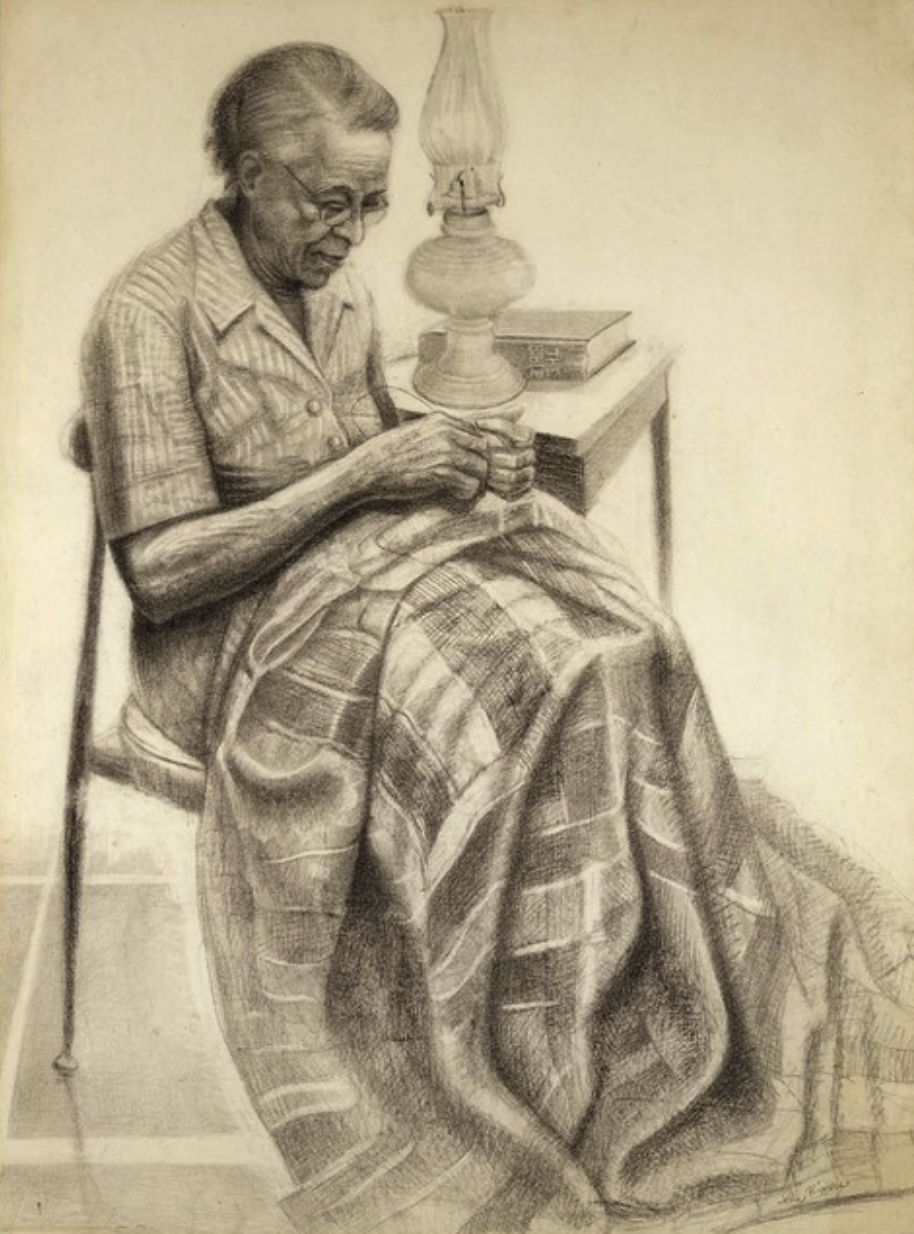
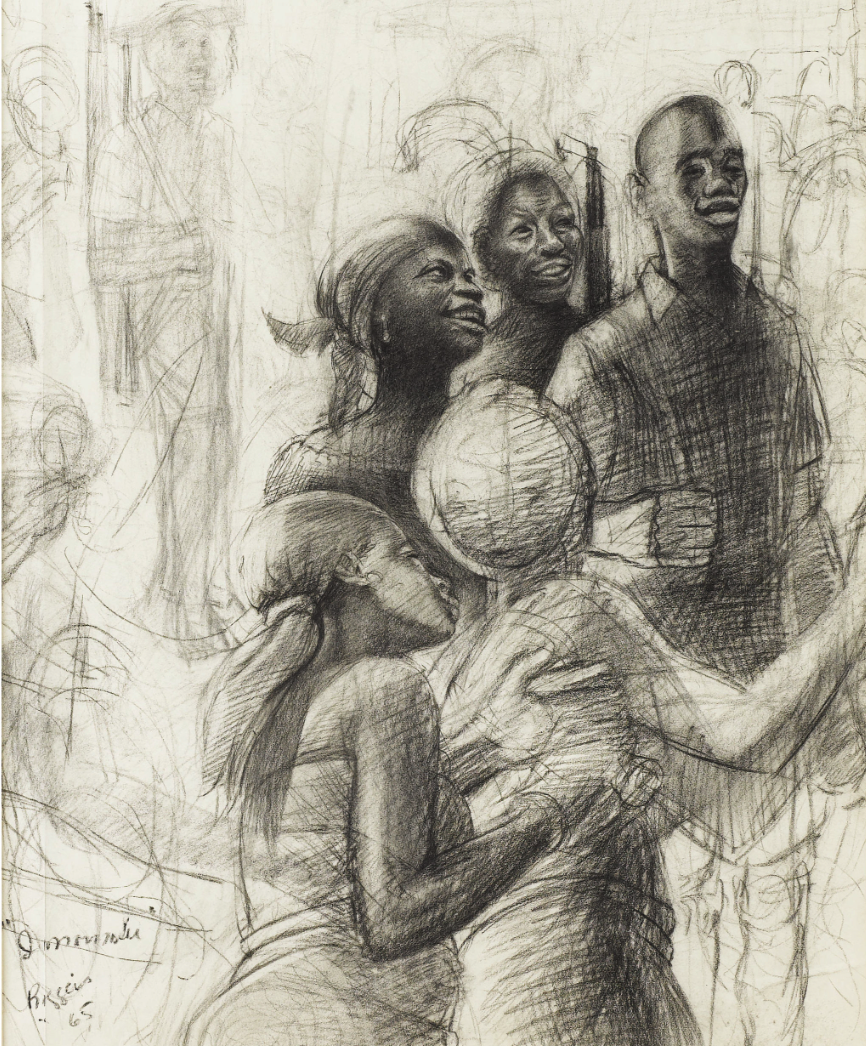
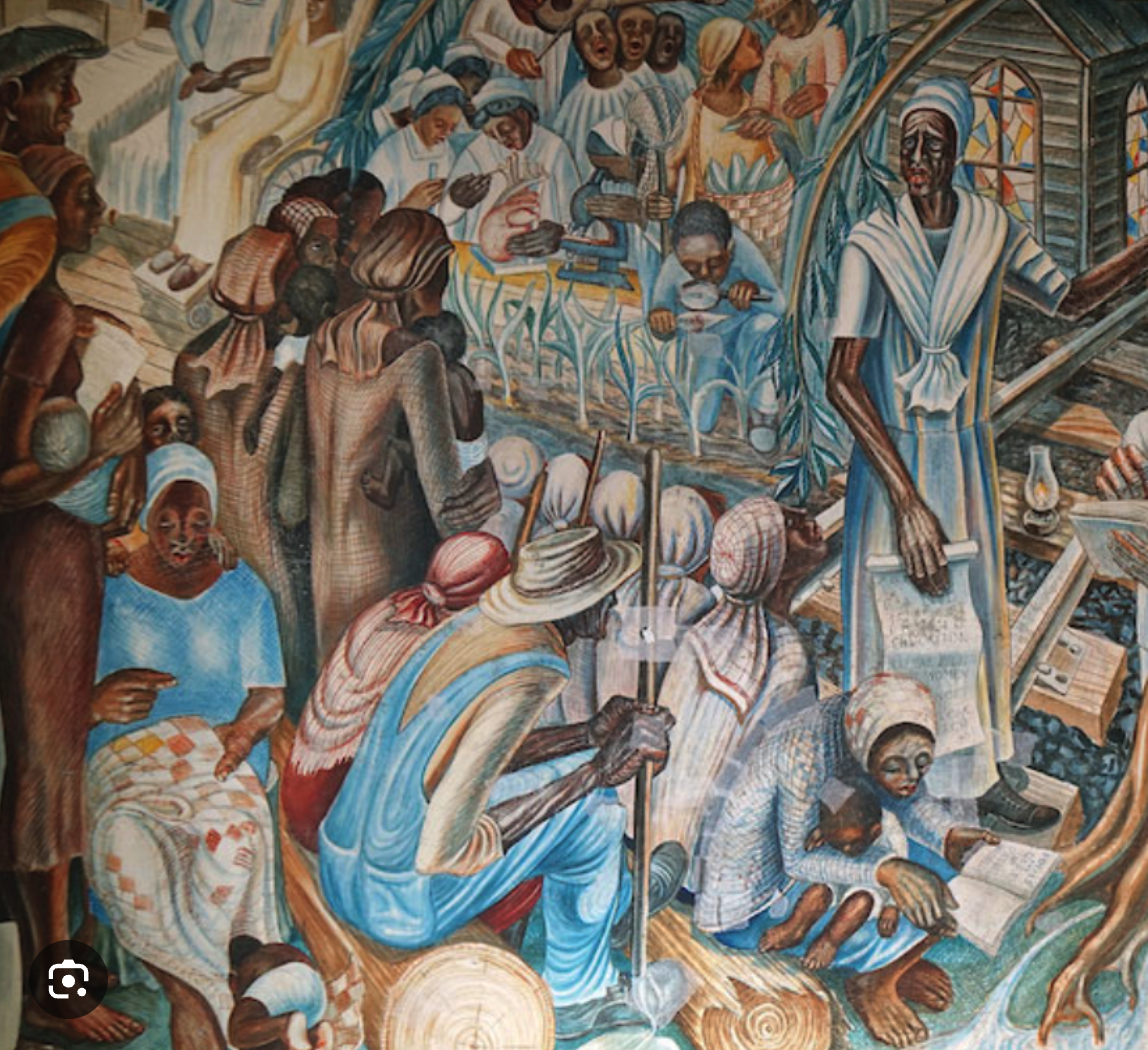
Early in the 20th century, black intellectuals like Dr. Alain Locke challenged black artists to reject European traditions and create a new art form based solely on their African heritage. Biggers was one of the first artists to travel and study in Africa. But in the end, he and others such as Palmer Hayden and Eldzier Cortor turned away from both primitivism and modernism, each developing their own stylized realism to record African-American life and the issues surrounding civil rights.
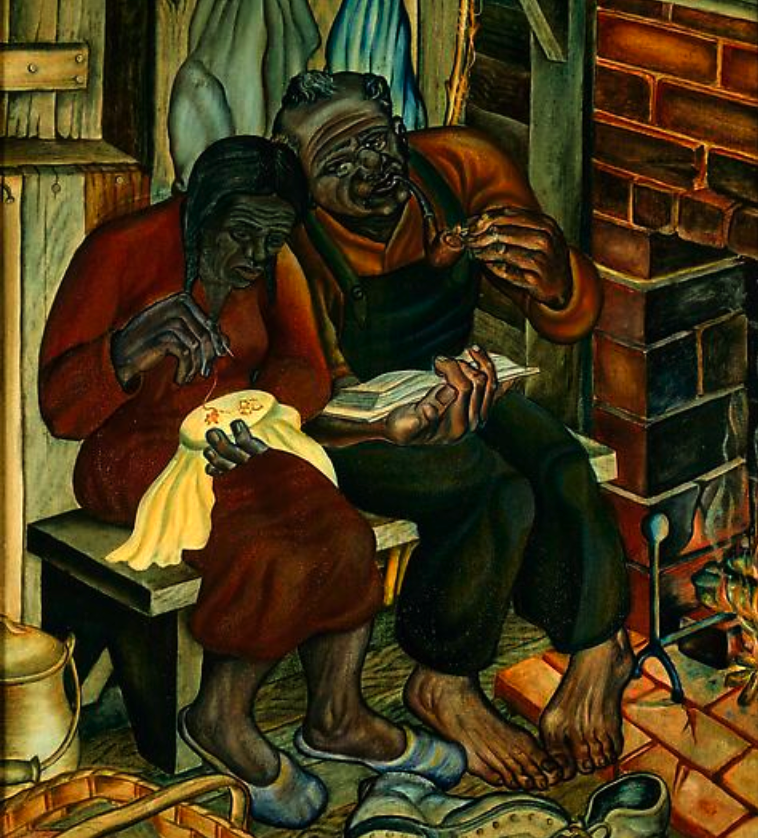
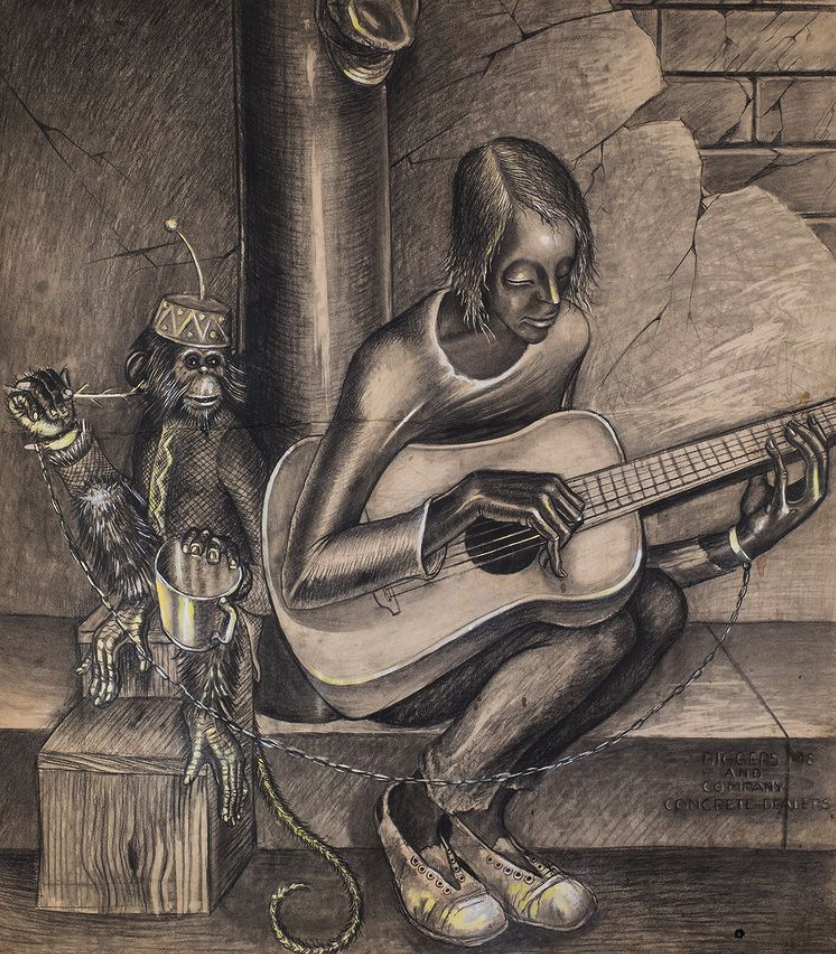
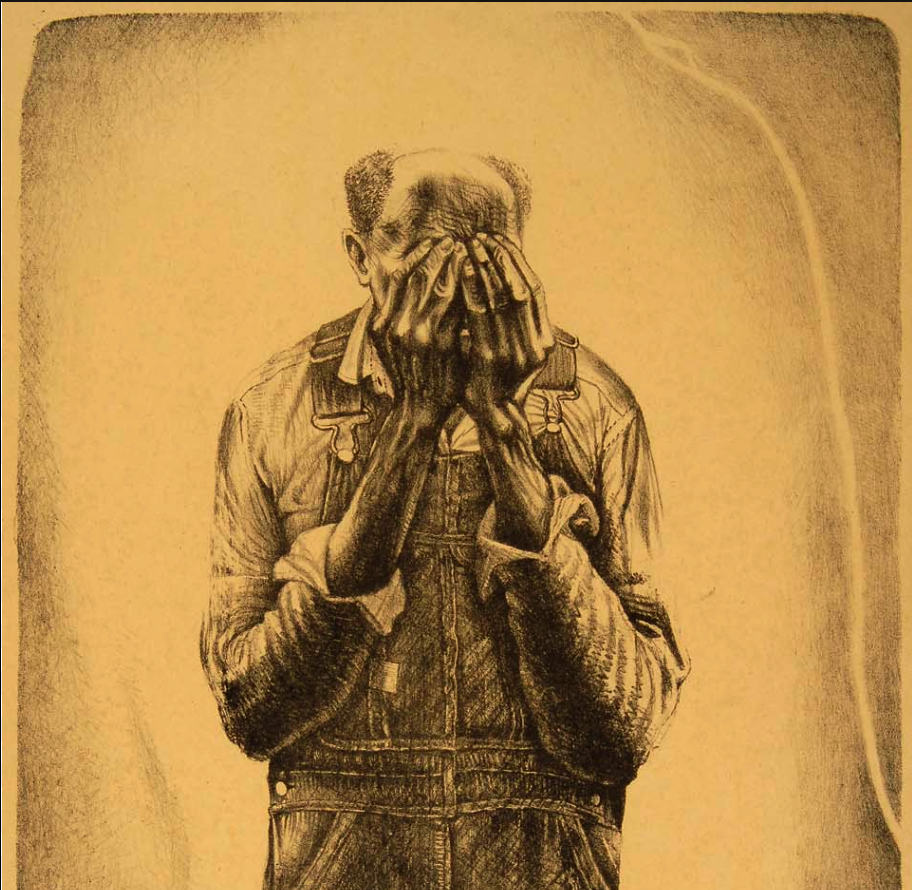
Old Couple, softly painted in earthy browns, is a portrait of elderly parents. Their eyes are cast down, their hands gesturing disbelief and sorrow as they stand close together beneath a tree branch hung with a rope. Reminiscent of religious paintings, Biggers used the understandable grief of one family to impress on viewers the larger tragedy of racism. Biggers explored a range of social ills, as in the painting Blind Boy and Monkey, which shows a too-thin teenager playing guitar, his wrist chained to a devilish monkey dancing for money.
Over time, Biggers abandoned social critiques in favor of inspirational murals, and his many commissioned murals still dot the South. The gallery features a large preliminary drawing titled Web of Life, which uses farming and African-Americans as the universal symbol for humanity.
Biggers created simple, compelling pictures to get his message across to the broadest audience. Measured by contemporary tastes in art, his work may seem obvious. Even so, the history Biggers recorded is real, not abstract, and its emotional clarity - though rarely seen today - is hard to forget.
Michael Rosenfeld Gallery, 24 W. 57th St., 7th fl. (betw. 5th & 6th Aves.), 212-247-0082: 10-6. free.