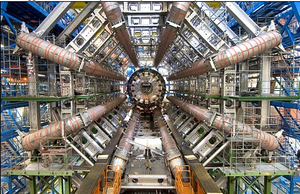
“It is remarkable how normal working with AI feels these days, considering that just a few years ago it seemed like sorcery.” – Blumquist.
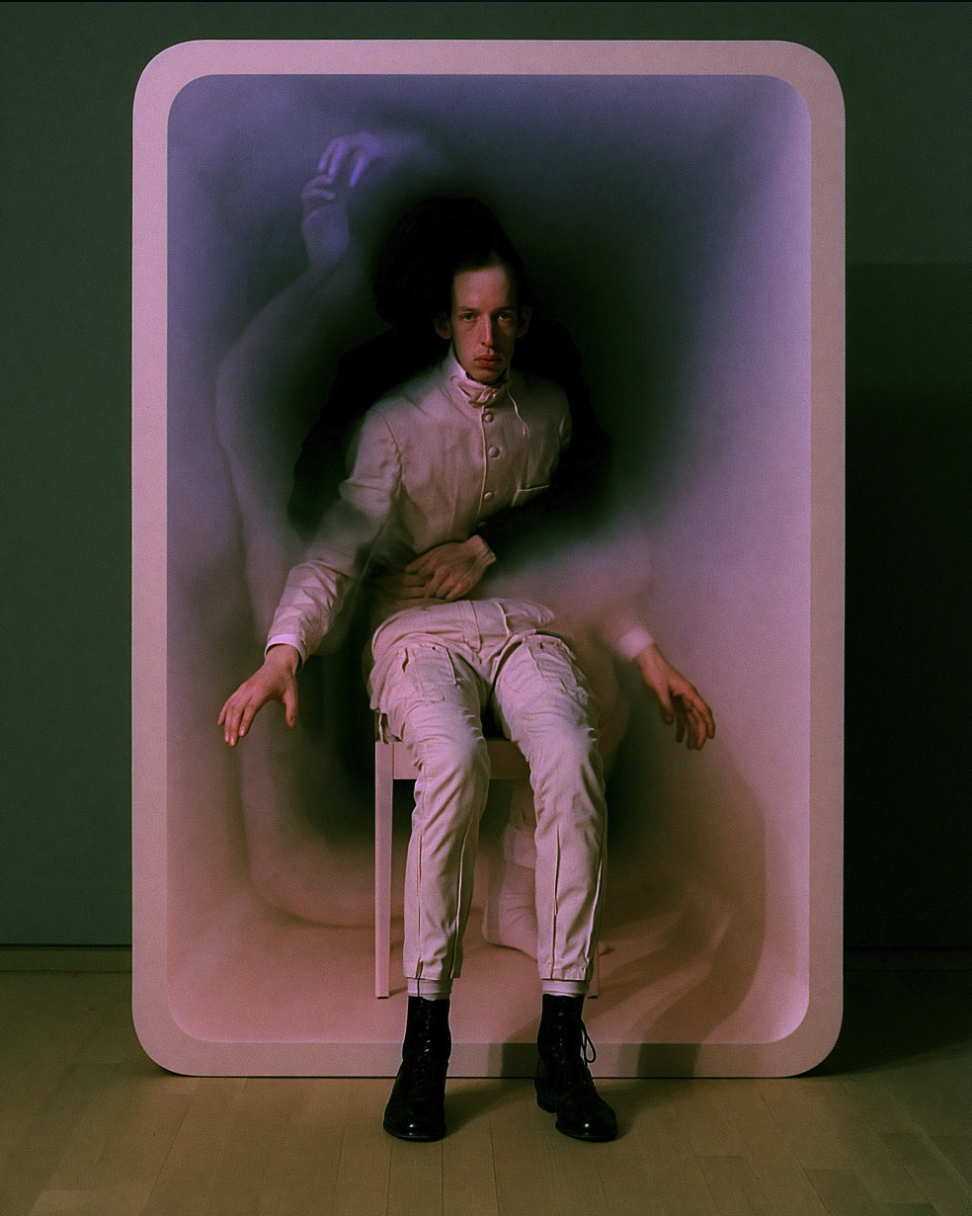
When AI image-making first became available, creative pioneers jumped at the chance to try out the various tools. The novelty of being able to use words to materialize your visions at a skill level far beyond your physical abilities was intoxicating. Pictures flooded the internet. Critics were quick to label it all slop, without pausing to consider that novel tools and styles naturally begin with experiments that feel hesitant, derivative, and even ridiculous.
In an effort to understand where this medium might take the history of art, I spent hours at a time swiping through pictures of aliens, tecno-gore, other worlds, sad faces, and candy-colored nostalgia. Like the creators, my curiosity had been supercharged, so I pressed on. Slowly, an aesthetics unique to this medium began to take shape in the minds of committed creators. Scanning over a timeline of their output, you could see them finding their groove. I, too, began to construct my own curatorial beliefs and 21st century goals.
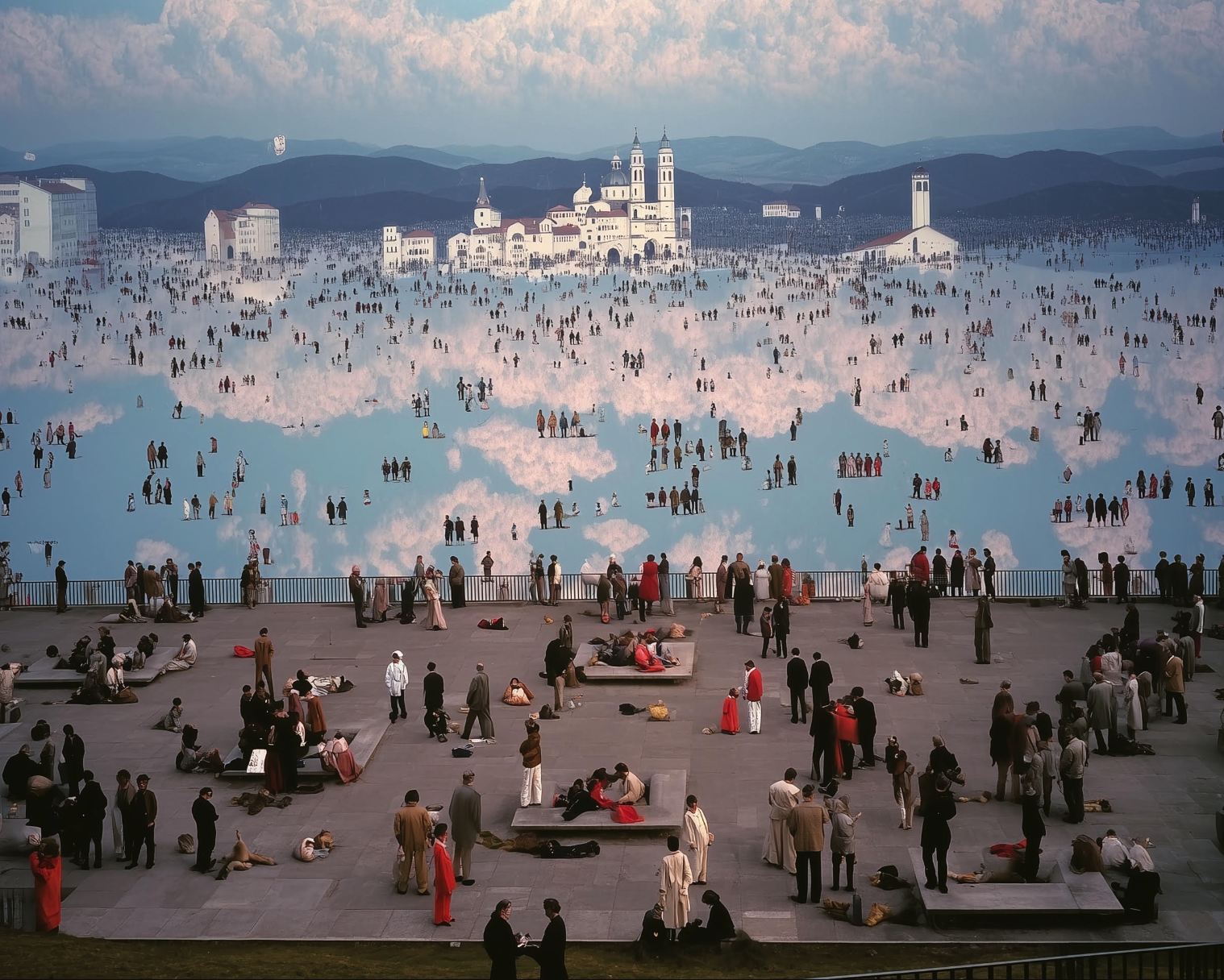
Once I had my footing, I began choosing artists who I thought might have the stamina to survive the gee-whiz phase and produce meaningful images over time. I interviewed them to discover their motives, wrote profiles, and curated several into exhibitions.
Now, nearly three years on, I’m following up with one of the first artists I featured, Blumquist, to learn if and how this revolutionary tool has changed him. Additionally, I spoke to a seasoned collector, Allison, who bought a piece of his art two years ago. How did she feel now about her first AI acquisition? I am blending their interviews to give you a feel for the relationships that form between artists and art lovers.