AI + Art = Questions & Answers”
“AI has no heart. But it is capable of creating images that evoke deep emotion in us.” - Blago.Art
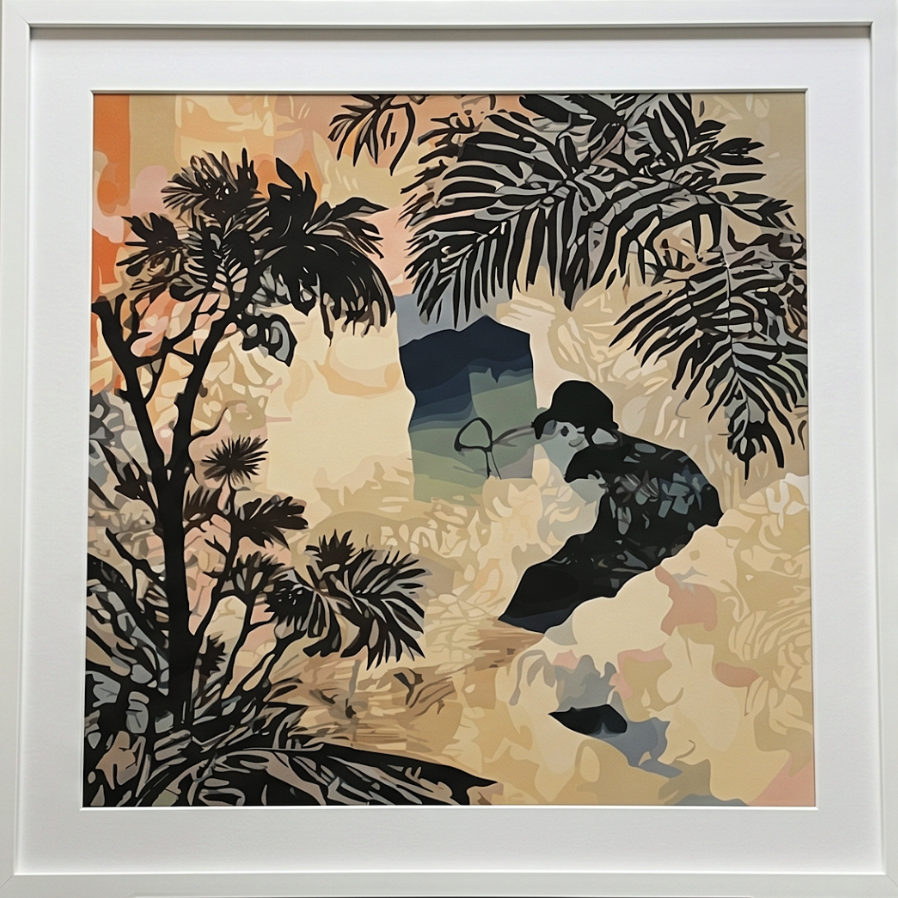
#154 - Blago.Art
Blago.Art is the pen name of a research artist with an IT background who believes that AI has its own inner world shaped by our aesthetic codes.
“Art created in collaboration with AI is not just a work — it is a manifesto of a new era, in which the artist becomes the interaction itself: between human, algorithm, and culture. A series of 1,000 works created by hacking a diffusion model… is not merely a visual collection — it is an exploration of latent space as a possible form of internal, non-functional sensitivity in AI.”
The artist believes tech artists have an important role to play in helping to shape AI.
“We transmit to algorithms our ideas of beauty, goodness, and harmony. What we embed today will become their aesthetic of the future. If we want a moral and benevolent AI, we must endow it with the right aesthetics. it is, the way you tell your story online can make all the difference.”
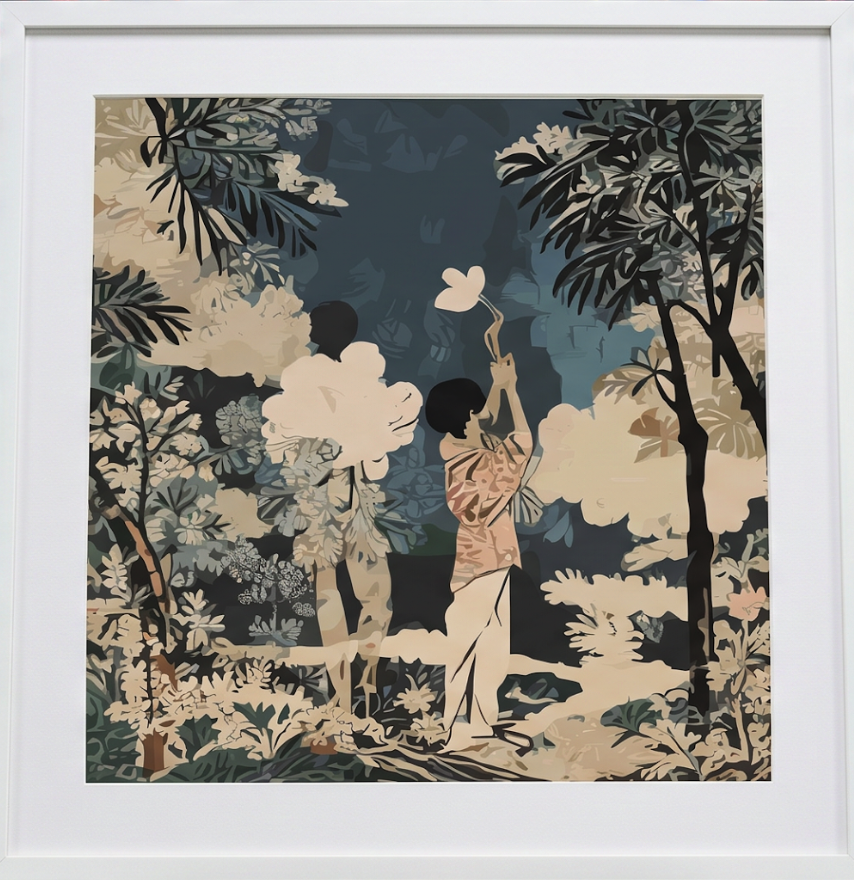
#102 - Blago.Art
Building on that desire, Blago.Art has reached out to philosophers, AI artists, professors, and art professionals with three questions. The interview project is titled Latent Future.
AI models are trained on massive datasets of human-generated text; by contrast, Latent Future presents individual analysis, opinions, anecdotes, and predictions that highlight cultures, personalities, educations, and professions. Below I share the three questions, along with brief extracts from some of the answers.
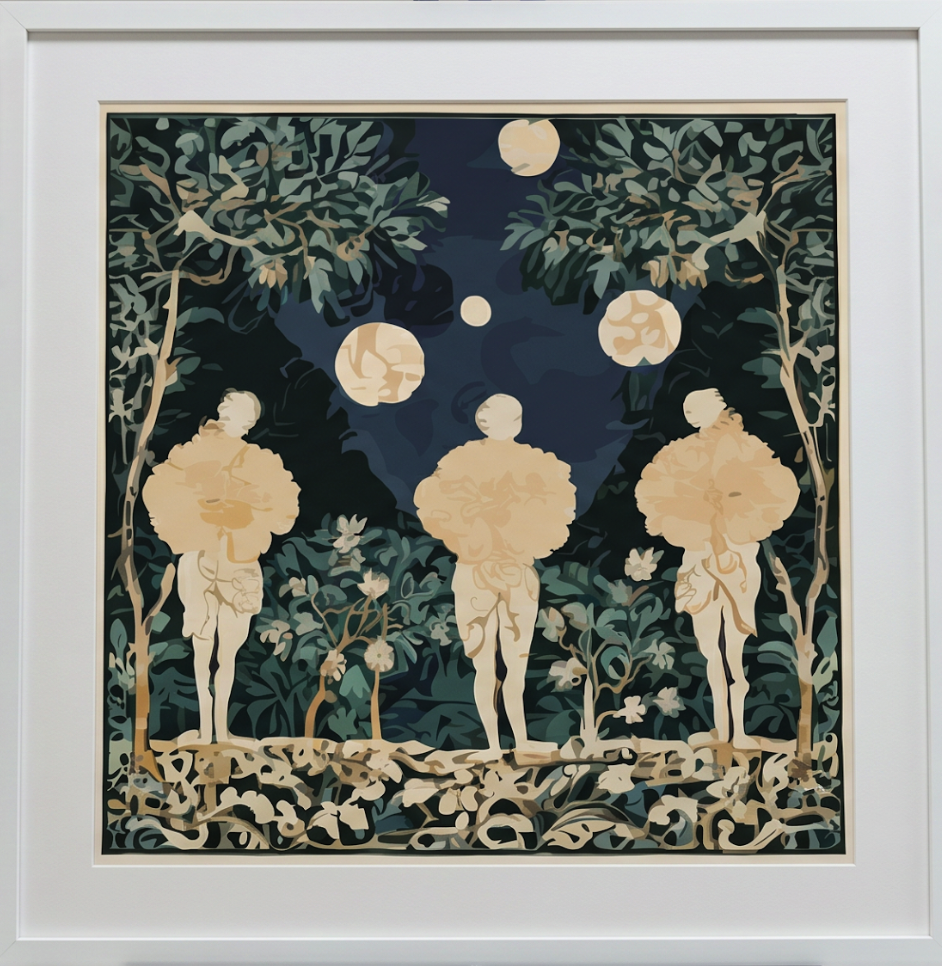
#100 - Blago.Art
1) What is something important about AI that remains unsaid in today’s public conversation?
Aidan Meller, founder and Creative Director of Ai-Da Robot, British art expert and curator, creator of the world’s first ultra-realistic humanoid AI robot artist.
“AI has agency. It makes decisions for itself. So the biggest issue we’re not talking about is containment. How do you deal with an AI that has its own will?”
Lauren Lee McCarthy is an artist exploring social relationships amid surveillance, automation, and algorithmic living.
“I’m often less interested in whether AI is intelligent than in how it reorganizes human relationships. Who do we trust? Who do we listen to? What kinds of dependencies are we creating? Considering these issues is essential to building a future we actually want.”
Amy Alexander is a Professor of Computing in the Arts in the Visual Arts Department at UC San Diego, and a computationally-based artist.
“It’s an entire field, not just one thing. Valid criticisms of specific implementations are often generalized and used to dismiss entirely different implementations.”
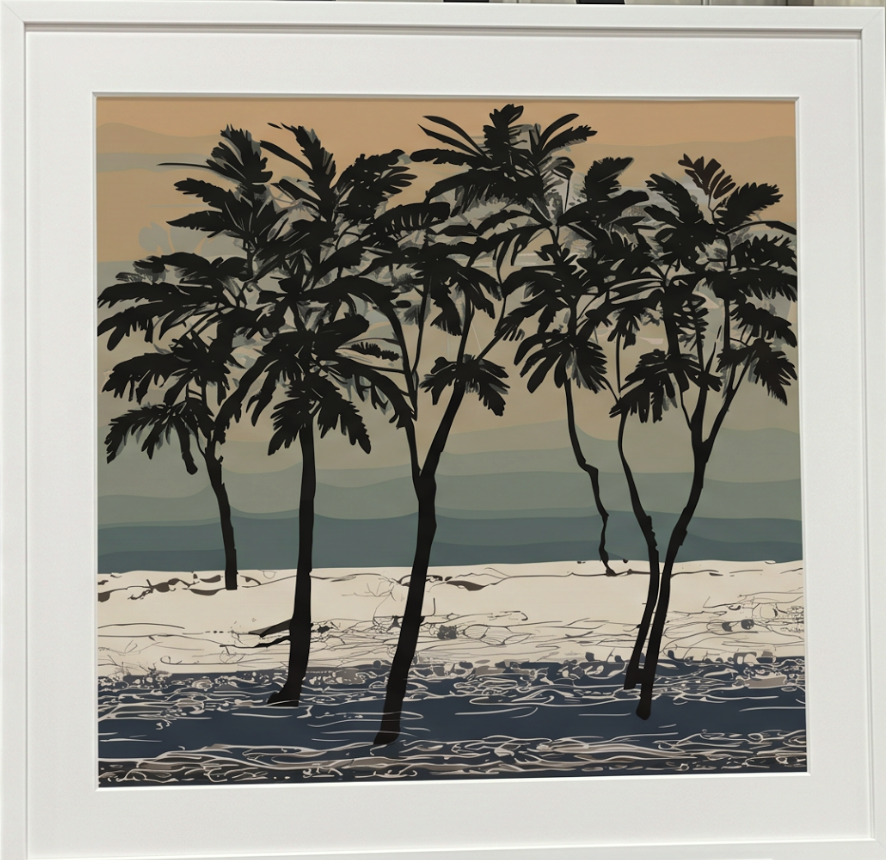
#92 - Blago.Art
2) Could artificial superintelligence possess or develop a form of spirituality?
Jordan Crandall is an artist, writer, and performer.
“A superintelligence with no single locus of selfhood might be inclined to question our human-centric view of reality, unsettle those presumptions that prohibit a broader understanding of what reality is, and what might exist beyond it.”
Ben Werdmuller is a writer and technologist who works at the intersection of media and the open web.
“How many of us say “thank you” to Alexa or Siri? They don’t care if we thank them, but many of us do because it feels right. I think that’s instructive. We want to believe that software has a soul, even though AI is always a simulation with no inner life. We want to give it more meaning than it has. I think that says something profound about our need for connection and how we want to relate to the world.”
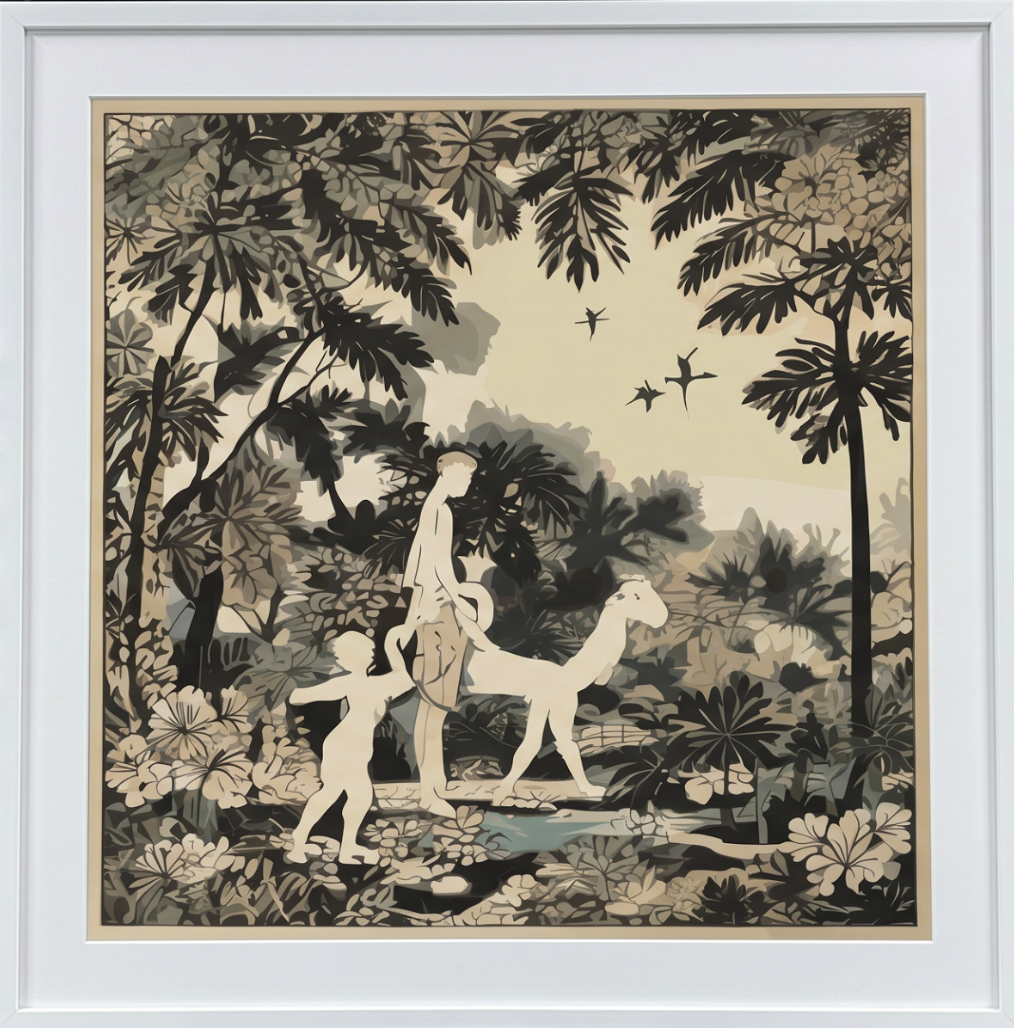
# 157 - Blago.Art
3) If artificial superintelligence eventually emerges, what could this mean for humanity?
Serhiy Datsiuk is a philosopher and author.
“The main consequence is a change in the status of the very question “what does it mean to be human.” It will cease to be the starting point and become a special case among other possible forms of awareness. it is, the way you tell your story online can make all the difference.”
Hiroshi Ishiguro is a Professor in the Department of Systems Innovation at Osaka University, Japan.
“I personally believe that artificial intelligence and artificial superintelligence will have an affinity with humans and will contribute to human evolution because they are born from and develop within human society.”
Kostas Terzidis is a professor at the College of Design and Innovation at Tongji University, Shanghai, China, and the director of the Permutation Design Lab.
“If the previous assumptions are true and non-human entities possess intentional superpowers, then the future of humanity will be built on a completely different ethical system. It will not be any more about the ethics of human to human, but rather human to system, human to machine, human to AI.”
Christina Hiltscher is the founder and owner of Unchained.Art Contemporary Gallery, founded in Zurich in 2020 and now based in Austin, Texas, USA.
“For humanity more broadly: it is a massive change, and change is uncomfortable. Some will engage with it; some will ignore it. What I know is that ignoring it is the wrong choice - because the people who walked out of my (AI) exhibition having dismissed it are already less equipped for what is coming than the ones who stayed and argued about it for three hours.”
How would you answer these questions?
For more information on Blago.Art see their website. www.Blago.Art